

Most people try to save electricity at home by switching off lights, which is the smallest win available. Lighting is a fraction of a Ugandan household bill. The money is in the fridge, the kettle, the iron and the shower heater, and once you know that, a few habits will visibly slow how fast your Yaka runs down.
1. Sort out the fridge first
Your fridge is the only appliance running twenty four hours a day, so it deserves attention before anything else.
Leave a hand width of clear space behind and above it. Keep it out of direct sun and away from the cooker. Never put hot food straight in. Defrost a manual freezer before the ice gets thicker than your finger, because ice is insulation and the motor runs longer fighting it.
2. Boil only what you need
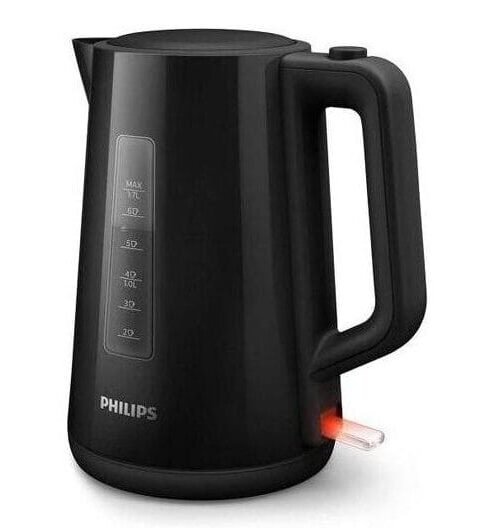
An electric kettle is one of the hungriest things in the house while it runs. It is also efficient, so long as you fill it to the water you actually want. Filling it to the top for one cup of tea, three times a day, is money poured down the sink.
3. Iron everything in one sitting
An iron uses most of its power getting hot, not staying hot. Heating it five times a week for one shirt costs far more than one weekly session for everything. Start with the fabrics needing the lowest heat and work up as it warms.
4. Switch off at the socket
Decoders, televisions, chargers and microwaves all draw power on standby. Individually it is small. Across a household, left on all night every night, it is a real slice of your token. Put the sitting room electronics on one extension and switch that off at night.
5. Change the bulbs once and forget it
If you still have filament or old fluorescent bulbs, replace them with LED. An LED does the same job for roughly a tenth of the power and lasts years. This is the one item on this list you do once and never think about again.
6. Use the right appliance for the job
A rice cooker or an air fryer cooking a small meal uses a fraction of what a full oven does, because you are heating a small sealed space instead of a large one. A microwave beats both for reheating.
If you cook beans or matooke regularly, a pressure cooker cuts the time by more than half, and time is exactly what you are paying for.
7. Reach for a fan before the air conditioner
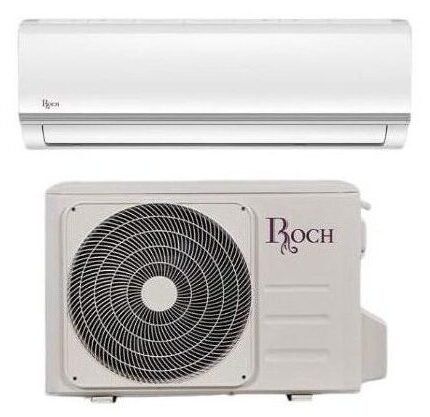
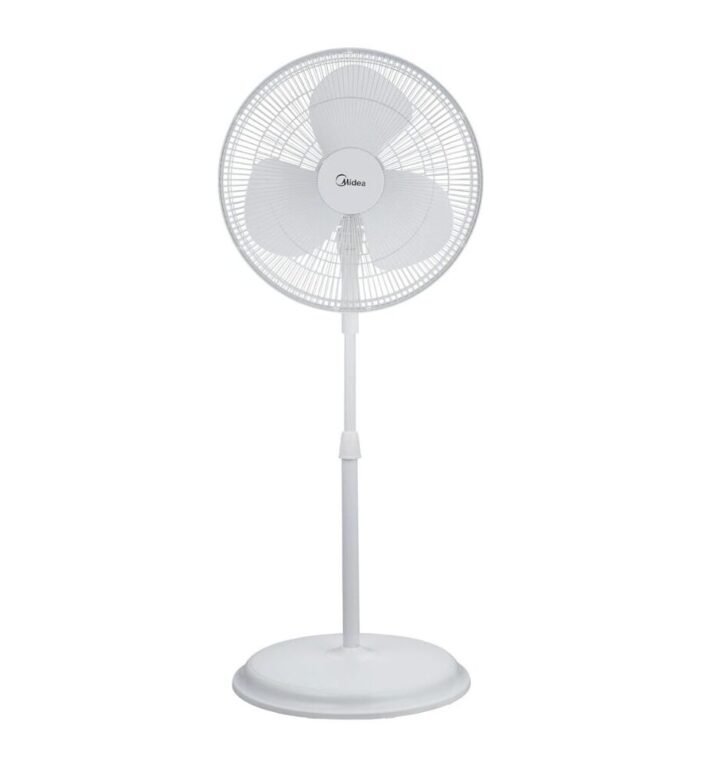
A pedestal fan costs a few hundred shillings a month to run. An air conditioner costs many times that. Moving air over your skin evaporates sweat, and in Kampala humidity that is most of what makes a room feel bearable.
Keep the AC for the hottest weeks and the rooms that genuinely need it, and wash its filters monthly so it is not working hard for less cooling.
8. Wash full loads and skip the hot water
Most of what a washing machine spends goes on heating water rather than turning the drum. Modern detergent works perfectly well cold for everyday clothes. Run full loads rather than half ones, and you halve the number of cycles.
9. Buy the right size in the first place
This is the tip nobody gives you in a shop, because it usually means selling you something cheaper. A fridge far larger than your household cools empty space every hour of every day for the next decade. A television bigger than your sitting room needs does the same.
Getting this right at purchase does more to save electricity at home than every habit above put together, and it costs you nothing but an honest conversation before you pay.
If you enjoy the detail, there is a good general primer on energy conservation worth ten minutes.
What actually moves the needle
If you want to save electricity at home and will only change three things, make them these. Give the fridge space and keep it out of the sun. Iron in one weekly session. Switch the sitting room off at the socket overnight.
Those three cost nothing and you will see the difference in how long a Yaka top up lasts. The rest are worth doing and will stack on top.
Questions about how to save electricity at home
Does a full fridge use less power than an empty one?
Yes. Cold food and drink hold temperature, so the compressor runs less. If yours is half empty, a few bottles of water in the base will steady it.
Is it cheaper to leave the fridge running when I travel?
For a weekend, yes. For a few weeks, empty it, switch it off and leave the door open so it does not grow mould.
Do voltage protectors save power?
Not directly, but they stop an appliance running on a bad supply, which is when motors overheat and waste energy. Mainly they save you the compressor.
If you want help choosing appliances that will not punish your meter, call or WhatsApp +256 702058341 or come to the shop in Katwe, Kampala. Tell us your household size and we will point you at the right size rather than the biggest one. See our FAQ for more.